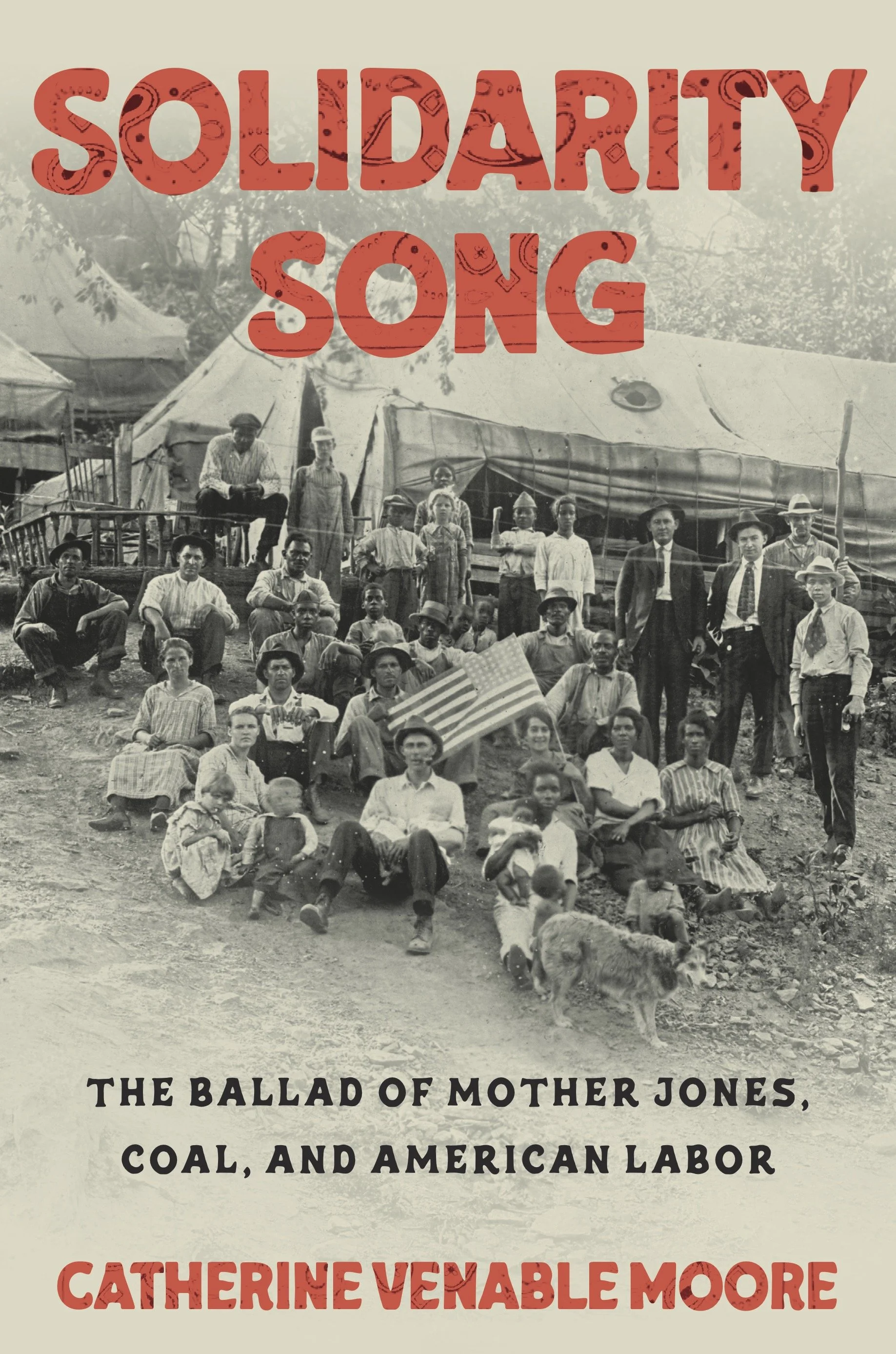
Solidarity Song
Random House, April 13, 2027
A lyrical, stirring portrait of the twentieth-century coal mining families who fought, undaunted, for the right to unionize their workplaces, culminating in one of the largest labor uprisings in American history: The Battle of Blair Mountain.
Winner of a National Endowment for the Humanities Public Scholar Grant
Winner of a Whiting Nonfiction Grant
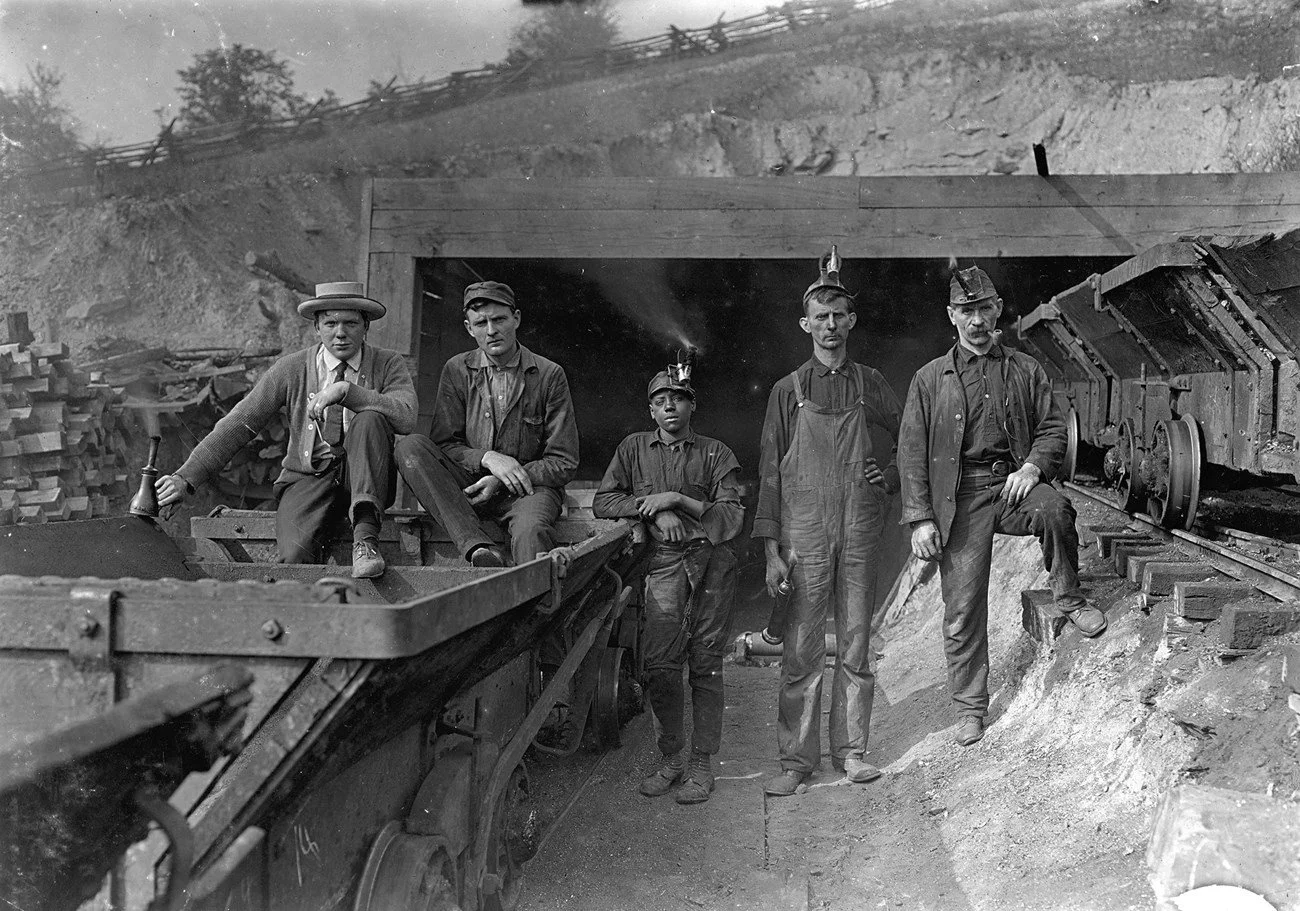
The StoryWest Virginia, 1921. Coal is king, labor laws are practically nonexistent, and an unauthorized civilian army is preparing to march across a mountain and face open gunfire. The marchers—union miners gathered from across the state—are determined to liberate their brethren in non-union territory, where mine operators are rumored to be killing would-be organizers. For the marchers, many of whom are Black Americans or European immigrants, it’s a battle for justice that’s been brewing for decades.
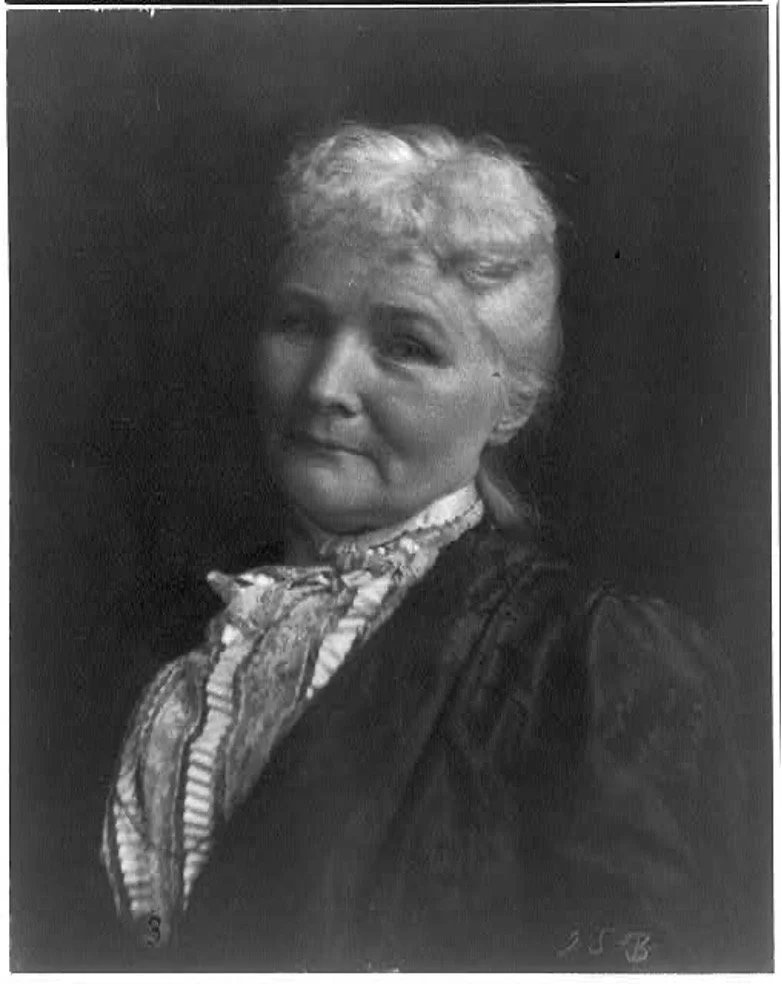
The extraordinary soldiers in this fight have largely been forgotten to history, but in these pages they’re brought back to life with vibrancy and care: among them Mother Jones, a firebrand labor activist who dedicated her life to organizing strikers; William Clark, who sought fairer wages and an escape from Jim Crow; and Anna Savilla, who testified before U.S. senators about the violence done to families and women’s bodies.
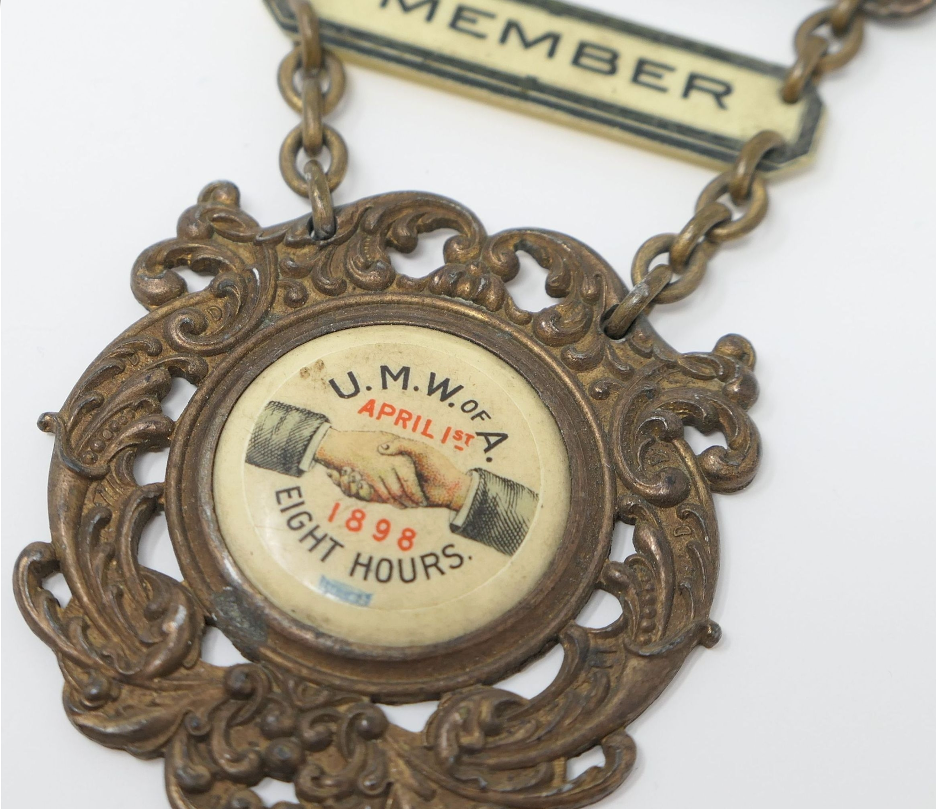
Through their lives, West Virginia native Catherine Venable Moore traces the bloody but inexorable fight for unionization and workers’ rights: one that would take two decades, coming one hard-won mining town at a time, and occur in the face of early twentieth century company owners’ control of workers through brutal private police and financial extortion. Nevertheless, the labor movement slowly gained momentum, and in doing so, became an early proving ground for interracial solidarity. With each new member, the union strengthened—winning watershed victories, enduring through the failures, and always keeping faith.
Into this intersectional social history, Moore also weaves poignant essays that lay bare the importance of protecting workers’ rights to organize and wrestle with the meaning of solidarity across time, examining and illuminating the ways we strive for and fall short of true fraternity in the present. Riveting, evocative, and deeply researched, Solidarity Song puts us on the front lines of the West Virginia Mine Wars, a forgotten fight for labor rights that spanned decades—the impacts of which still powerfully reverberate today.
“A gorgeously written, meticulously researched account of a critical episode of U.S. labor history”